Connecting Heritage, Culture, and Community
Our Community
Our community is rooted in the proud Portuguese heritage that helped shape the culture of Maui. Through shared traditions, cultural events, and community gatherings, we honor the journey of our ancestors while bringing people together to celebrate the spirit, history, and values that continue to unite us today.
Bringing Our Community Together
01.
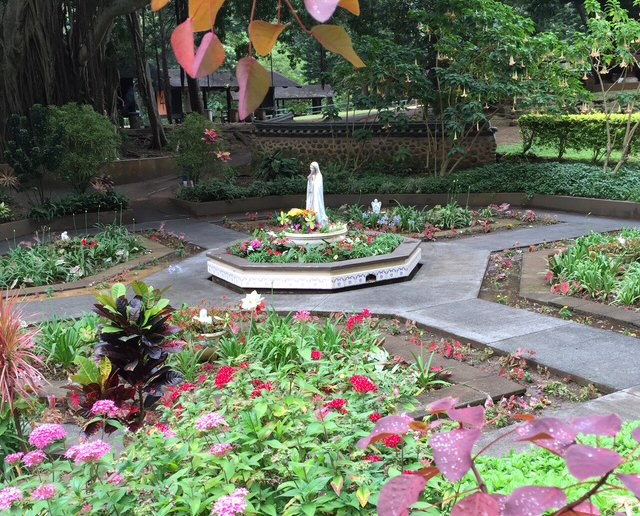
Our community garden is a space where tradition, culture, and connection come together. It reflects the values of sustainability, shared effort, and pride in our heritage. Members of all ages participate in growing and caring for the garden, creating a place that brings people closer while honoring our Portuguese roots. This garden is more than just a space—it is a symbol of unity, learning, and community spirit.
02.
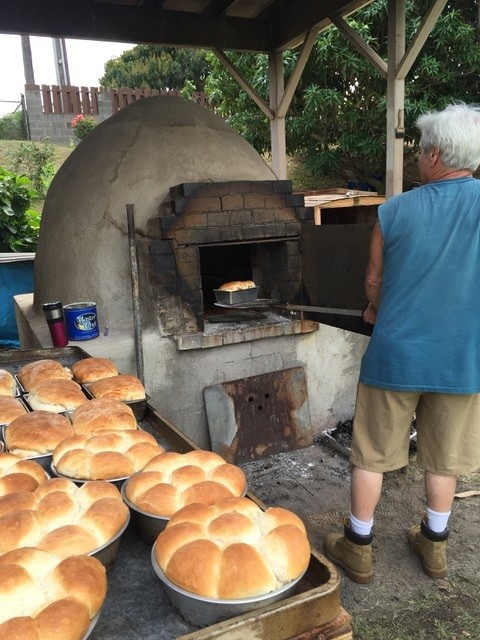
Bread baking is a cherished tradition in our community, passed down through generations. It brings people together to share skills, stories, and cultural values while preparing food the traditional way. From preparing the dough to baking in stone ovens, every step reflects our rich heritage. This experience connects our members to the past while creating meaningful moments in the present.
Genealogy Information
We have had a number of requests for a book by Edgar Knowlton that is a reference/ history book about the immigrants of Portuguese ancestry to the Hawaiian islands. This book is out of print and will not be recast. The Hawaii Public Library has a copy that you can view only when in our State. You will have to request its use with them as not all libraries in Hawaii have this book available for walk in viewing.
Contacts regarding Genealogy should be made to –
May 12, 2012 Portuguese Festa and Coronation Ceremony – Iao Valley – Kepaniwai Park
On May 12, 2012, the Maui Portuguese Cultural Club gathered together to celebrate the completion of repairs done to the Portuguese Heritage Garden in Kepaniwai Park in Iao Valley.
The Program began with the Coronation of Mary ceremony done by the children and grandchildren of club members escorted by Father John of St. Anthony Parish in Wailuku. The event featured a display of Portuguese artifacts and exports, a country and craft store (selling Stone Oven Bread, jams, jellies, pickles and preserves, decorated potted plants, aprons, rooster grocery bags, our cookbook and other hand made items donated by our members) and a Regional Fashion show of Portuguese cultural dress. Lunch was served which consisted of Caldo Verde (Portuguese White Bean Soup) roll and imported Açorean iced tea.
Pictured here are some of the children who participated in the festa and performed a traditional dance for the crowd. Pictured below are snapshots of the event.
There were over 200 people in attendance at the Festa coming from as far away as the Açores…who were visiting Maui at the time, who laughed when they said “We came all the way to Hawaii and absolutely HAD to attend the Portuguese Festa put on by the Maui Portuguese Cultural Club.” Everyone said that the day was beautiful, the food was ono, the program delightful and interesting, and that they
learned a lot about the Portuguese culture at the Festa. THAT…is the mission of our club.
The Program began with the Coronation of Mary ceremony done by the children and grandchildren of club members escorted by Father John of St. Anthony Parish in Wailuku. The event featured a display of Portuguese artifacts and exports, a country and craft store (selling Stone Oven Bread, jams, jellies, pickles and preserves, decorated potted plants, aprons, rooster grocery bags, our cookbook and other hand made items donated by our members) and a Regional Fashion show of Portuguese cultural dress. Lunch was served which consisted of Caldo Verde (Portuguese White Bean Soup) roll and imported Açorean iced tea.
Pictured here are some of the children who participated in the festa and performed a traditional dance for the crowd. Pictured below are snapshots of the event.
There were over 200 people in attendance at the Festa coming from as far away as the Açores…who were visiting Maui at the time, who laughed when they said “We came all the way to Hawaii and absolutely HAD to attend the Portuguese Festa put on by the Maui Portuguese Cultural Club.” Everyone said that the day was beautiful, the food was ono, the program delightful and interesting, and that they
learned a lot about the Portuguese culture at the Festa. THAT…is the mission of our club.
The Chamarita – Traditional Dance of Portugal
The dance in Portugal is a very important way in which to celebrate special occasions and a means through which a young man can meet a young woman. Dating practices in Portugal are very strict and sweethearts are not allowed to touch each other except during the Chamarita and they are still under the watchful eye of vigilant parents.
The traditional Chamarita resembles a western American square dance where the group dances according to movements that are called out by a caller. Musicians play lively tunes on guitar and mandolin. During Festas, or festivals, the people of the land gather to celebrate the harvest or a holy day proclaimed by the Catholic Church and the Chamarita is always a part of the celebration.
Elaborate costumes are worn by each performing group and all march in a parade ending or beginning at a Church. Costumes vary depending upon which region of Portugal you live ranging from heavy woolen outfits and thickly felted hats in the colder regions to colorfully embroidered cotton outfits of the Southern parts of Portugal, Madeira and the Açores.
Pictured above and below are the Maui Portuguese Cultural Club members performing the Chamarita for the community at a Portuguese Festa on Maui. Dancers are: Walter Ornellas, Roseline DeMello, Jacob Lindsey, Bernice Tabbal and Bette Martin. Below, are members learning how to dance the Chamarita, bake bread and celebrate together Portugal style.
The traditional Chamarita resembles a western American square dance where the group dances according to movements that are called out by a caller. Musicians play lively tunes on guitar and mandolin. During Festas, or festivals, the people of the land gather to celebrate the harvest or a holy day proclaimed by the Catholic Church and the Chamarita is always a part of the celebration.
Elaborate costumes are worn by each performing group and all march in a parade ending or beginning at a Church. Costumes vary depending upon which region of Portugal you live ranging from heavy woolen outfits and thickly felted hats in the colder regions to colorfully embroidered cotton outfits of the Southern parts of Portugal, Madeira and the Açores.
Pictured above and below are the Maui Portuguese Cultural Club members performing the Chamarita for the community at a Portuguese Festa on Maui. Dancers are: Walter Ornellas, Roseline DeMello, Jacob Lindsey, Bernice Tabbal and Bette Martin. Below, are members learning how to dance the Chamarita, bake bread and celebrate together Portugal style.
Making Stone Oven White Bread
Our main means of fundraising is through the baking of Portuguese White Bread made and baked in a traditional Stone oven. Our members gather to make the “masa” that are formed into individual rolls or “bolingas”. Also shared at these monthly, bread making, gatherings are oral traditions passed on to the new generation of Portuguese members of what their parents did to preserve their culture. Portuguese words and phrases are learned in this way and eagerly absorbed by the younger generation who did not learn the language as the older ones did.
Pictured here are a few members as they prepare the bread for baking in our stone oven at Hale Mahaolu, Akahi.
Pictured here are a few members as they prepare the bread for baking in our stone oven at Hale Mahaolu, Akahi.
The Forno – The Portuguese Stone Oven
Pronounced “Foor no”, the Portuguese oven is heated by burning wood inside of a domed enclosure to heat the oven walls and floor…much like a Pizza oven. The coals are then removed and the oven temperature is tested by throwing a handful of flour on the floor of the oven. The oven master watches for how fast the flour turns brown to determine if the oven is hot enough to bake bread. 32 loaves at a time are inserted into the oven and soon emerge golden, crispy crusted on the outside and moist on the inside. The bread has a light, smoky flavor that has our customers coming back for more. The same is true of our Cinnamon Bread which does not last very long once it is baked.
Here, oven master Rudy Tabbal is pictured inserting loaves into the Forno.
Here, oven master Rudy Tabbal is pictured inserting loaves into the Forno.
The Portuguese Lapinha (Little Grotto)
Instead of putting up a Christmas tree this year put up a Portuguese Lapinha. Gifts can be placed at the foot of the display just as you would do if it were a tree. Pictured here is a simple version. Menino Jesus (the child Jesus) stands in the highest place a top a 4 tier curio shelf. There should be 7 “tiers” to represent the 7 days of creation. You can add a tier by using wooden blocks as done here. Each tier is then embellished with objects representing a day in creation.
The stars and angels are next. Adding candles or a strand of Christmas lights here will represent day and night, light and darkness.
The grasses and fruits are next – sprouting wheat grass, oranges, apples, nuts. The creation of the waters can be represented with a bowl of holy water.
The animals and mankind come next – although most lapinha will display the saints above the animals. Think of the typical Portuguese farm with cows, chickens, ducks, pigs, geese and collect these figurines for your lapinha. The last day was rest – no more dropping needles to vacuum or fire hazard tree to haul away.
The display stays up until the feast of the 3 kings in January.
To sprout wheat grass: use whole Bulgar wheat seeds from the health food store. Place flattened cotton balls into the bottom of a little bowl to cover. Add 1 tsp. wheat seeds over the cotton balls. Add water to moisten cotton ball and keep moist by spraying it with water each day. Make several of them. New life will appear in 2-3 days
The stars and angels are next. Adding candles or a strand of Christmas lights here will represent day and night, light and darkness.
The grasses and fruits are next – sprouting wheat grass, oranges, apples, nuts. The creation of the waters can be represented with a bowl of holy water.
The animals and mankind come next – although most lapinha will display the saints above the animals. Think of the typical Portuguese farm with cows, chickens, ducks, pigs, geese and collect these figurines for your lapinha. The last day was rest – no more dropping needles to vacuum or fire hazard tree to haul away.
The display stays up until the feast of the 3 kings in January.
To sprout wheat grass: use whole Bulgar wheat seeds from the health food store. Place flattened cotton balls into the bottom of a little bowl to cover. Add 1 tsp. wheat seeds over the cotton balls. Add water to moisten cotton ball and keep moist by spraying it with water each day. Make several of them. New life will appear in 2-3 days
ARRAIOLOS RUG MAKING
The members of the Maui Portuguese Cultural club are learning how to make the traditional, Arraiolos rug making. These rugs are made by sewing colorful yarns onto a burlap or rug mesh fabric, much like you would
in crewel, but these are cross stitched onto a pattern in wool yarn. A small town in Portugal named Arraiolos, an hour and a half drive east of Lisbon, hales as the originators of this craft.
in crewel, but these are cross stitched onto a pattern in wool yarn. A small town in Portugal named Arraiolos, an hour and a half drive east of Lisbon, hales as the originators of this craft.